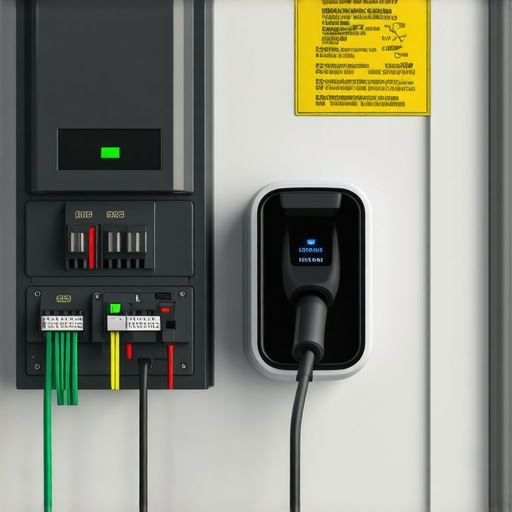

Panel Upgrades & Code Compliance: How to Ensure Safe EV Charging at Home
Ever had that sinking feeling when you plug in your electric vehicle charger and worry if your home’s electrical system can handle the load? I remember the first time I faced this dilemma. My charger kept tripping the breaker, and I was left questioning whether my electrical panel was up to code or if I needed a costly upgrade. That moment was a wake-up call. It made me realize how crucial proper panel upgrades and strict adherence to electrical codes are for safe, reliable EV charging at home.
Why Proper Panel Upgrades Matter for Electric Vehicle Charging
When you decide to go electric, your home’s electrical system needs to keep pace. Many homeowners overlook the importance of ensuring their existing panel can handle the additional load of EV chargers. An underpowered or outdated panel can lead to frequent outages, potential fire hazards, and non-compliance with electrical codes. According to the National Fire Protection Association, improper electrical work is a leading cause of home fires, often linked to outdated wiring or panels that can’t handle modern demands. Upgrading your panel isn’t just about convenience; it’s about safety, efficiency, and peace of mind. For those wondering how to start this process, I recommend consulting a professional who can evaluate your current system and advise on necessary upgrades. Check out this comprehensive guide on upgrading your panel for better EV charging performance.
Will I Need a Complete Overhaul or Just a Simple Upgrade?
This is a common question. The answer depends on your current panel’s capacity and your home’s overall electrical load. Sometimes, a simple sub-panel addition suffices; other times, a full panel replacement is necessary. Early on, I made the mistake of assuming I could just add a circuit without checking my panel’s capacity, leading to overloads. Trust me, that was a costly mistake. Proper assessment and adherence to the latest electrical codes are vital. To ensure your installation is compliant and safe, review this guide on ensuring code compliance when installing EV chargers.
Now that I’ve shared my story, it’s clear that safety and code compliance should never be afterthoughts. Next, I’ll walk you through the essential steps to upgrade your panel correctly and ensure your home is ready for reliable, safe EV charging. Ready to dive into the practical part? Let’s go!
Evaluate Your Current Electrical Panel
Start by turning off the main breaker and opening your electrical panel. Take detailed photos and notes of the existing components, including breaker ratings and wiring. Check the panel’s label for capacity—most residential panels are rated between 100 to 200 amps. If you’re unsure, consult a professional or review this guide on verifying code compliance.
Calculate Your Home’s Electrical Load
Estimate your total electrical demand, including your existing appliances and the new EV charger. Use this formula: sum of all circuit loads + 25% for future expansion. If the total exceeds your panel’s capacity, you’ll need an upgrade. This was my first mistake—assuming adding a 40-amp charger wouldn’t impact my system. After recalculating, I realized I needed a bigger panel, which led me to the next step.
Choose Between a Full Panel Replacement or Sub-Panel
Decide whether a complete overhaul or a simple sub-panel addition is appropriate. For minimal upgrades, a sub-panel can handle the EV charger load separately. However, if your panel is outdated or near capacity, a full replacement offers better long-term safety and flexibility. I opted for a full replacement, which involved coordinating with my electrician to ensure everything was up to code and future-proofed.
Ensure Code Compliance from the Start
Work with a licensed electrician to ensure your upgrade meets all local electrical codes. This includes proper grounding, breaker ratings, wire sizes, and permits. During my upgrade, I used this compliance checklist, which made the process smoother and prevented costly rework later.
Perform the Upgrade Safely
With the electrician, disconnect power, remove the old panel, and install the new one. Use appropriately rated breakers and wiring. Confirm connections are tight and correct. After installation, power up incrementally, testing each circuit. During my upgrade, I watched closely for any signs of loose connections or unusual smells—small details that can prevent bigger issues.
Verify and Document Compliance
After installation, have the system inspected by a qualified authority to verify it adheres to all safety standards. Keep documentation for future reference or resale. I kept my inspection report handy and uploaded it to my homeowner’s records, which provided peace of mind and legal protection.
Test Your System Before Charging
Finally, test your new setup with your EV charger. Use a process of elimination: plug in, check for trips, and monitor the circuit. If issues arise, consult troubleshooting guides like troubleshooting tips. My first test involved a trip that prompted a recheck of wire connections, saving me from future hazards.
By following these detailed steps, you will ensure your home’s electrical system is ready for safe, reliable EV charging. Proper evaluation, calculation, selection, and compliance are your best tools for peace of mind and safety at home.
Many homeowners believe they understand the ins and outs of upgrading their electrical panels for EV chargers, but in reality, misconceptions abound that can lead to costly mistakes. Let’s dig deeper into what most people get wrong and how to avoid these pitfalls.
Why Oversimplified Advice Can Backfire
One of the biggest myths is that a simple breaker swap or a minor upgrade will suffice for all EV charging needs. While some homes can handle a Level 2 charger with just an added circuit, this isn’t universal. The complexity of your existing electrical system and future expansion plans often require a more comprehensive approach. Relying solely on quick fixes without a proper load calculation or code review can result in overloads or safety hazards. Remember, your home’s electrical system is a delicate balance, and an upgrade needs to be tailored accordingly. For a detailed assessment, consult a licensed electrician and review this expert guide to panel upgrades for EV safety.
The Hidden Danger of Ignoring Future Expansion
Many homeowners focus only on their current needs, neglecting the importance of planning for future electrical demands. Installing a panel that just meets today’s requirements can become a bottleneck when you add more EV chargers, solar systems, or home automation devices. This oversight can lead to frequent trips, upgrades sooner than expected, or even safety issues. An advanced mistake is underestimating your future load, which can be costly in the long run. To avoid this trap, perform a comprehensive load calculation, considering upcoming upgrades. Check out this guide on future-proofing your electrical system.
Beware of Code Compliance Assumptions
Many assume that their existing wiring and panel are automatically compliant with current standards, but electrical codes evolve regularly. Installing an EV charger without verifying compliance can invalidate insurance, cause safety hazards, and lead to costly rework. It’s a common misconception that code compliance is a one-time check; in reality, it’s an ongoing process that should be verified by a professional. Working with a licensed electrician ensures adherence to local regulations, proper grounding, and wiring specifications. For more details, review this compliance checklist.
Have you ever fallen into this trap? Let me know in the comments.
How do I keep my EV charging system running smoothly over time?
Maintaining your home electrical system for EV charging isn’t a set-it-and-forget-it task. It requires the right tools and a proactive approach to ensure safety and reliability. Personally, I rely heavily on a digital multimeter, specifically the Fluke 117, because of its precision in checking voltage, continuity, and grounding. This tool helps me verify that each circuit is functioning correctly after an upgrade or repair, preventing potential hazards before they happen.
Another essential piece of equipment is a circuit tester with a built-in GFCI tester, which I use regularly to ensure my outlets are properly grounded and have no faults. This simple but effective gadget saves me from troubleshooting complex issues later, especially when I notice strange behaviors or trips in my breaker panel. Regular testing with these tools has kept my system safe and compliant with electrical standards.
Beyond handheld tools, I also recommend using software solutions like electrical load calculators. These apps help you keep track of your system’s capacity as you add new devices or plan upgrades. For example, I use a program called “Electrical Calc” to simulate different scenarios, ensuring my system can handle future expansions without overloads. It’s an investment that pays off by preventing costly rewiring or upgrades down the line.
Technology is evolving rapidly, and I predict that future maintenance will increasingly depend on smart monitoring systems integrated into your electrical panel. These systems can alert you to issues like overheating, circuit imbalances, or potential faults before they escalate. Companies like Schneider Electric are already offering smart panels with remote diagnostics, which I believe will become standard practice in the next few years.
What’s the best way to keep your system compliant and safe long-term?
Routine inspections by a licensed electrician are crucial. I schedule a professional check-up at least once a year, especially after any upgrades or repairs. During these visits, I ask my electrician to verify grounding, check for corrosion, and ensure all wiring remains compliant with the latest code standards. For peace of mind, I also keep documentation of these inspections, which can be useful if I decide to sell or upgrade my home later.
Don’t forget to keep your documentation and test results organized. This not only helps with ongoing maintenance but also provides a clear record for future inspections or troubleshooting. Combining the right tools with regular professional check-ups is the best strategy to keep your EV charging system working reliably for years to come.
Try implementing a monthly check with your multimeter and load calculator, and consider investing in a smart monitoring system when upgrading your panel. These steps will help you catch issues early, save money, and ensure your home remains a safe, efficient environment for your electric vehicle journey.
The Hardest Lesson I Learned About Panel Upgrades for EV Chargers
One of the most valuable lessons I learned was never to underestimate the importance of a thorough load calculation. I once assumed my existing panel could handle a new Level 2 charger without checking, which resulted in frequent trips and safety concerns. Realizing this mistake taught me that detailed assessments save money and prevent hazards. Trusting a professional to evaluate your system is the best way to avoid costly surprises down the line.
My Essential Toolkit for Ensuring Safe EV Charging
Over time, I’ve come to rely on specific tools that keep my electrical system in check. A high-quality digital multimeter like the Fluke 117 helps me verify voltage and grounding after upgrades. A GFCI tester ensures my outlets remain properly grounded, preventing potential shocks. I also use load calculators to simulate future demands, which guides my upgrade decisions. These tools, combined with regular professional inspections, are the cornerstone of a safe, efficient home EV charging setup.
Take Charge of Your Home’s Future
Upgrading your electrical system for EV charging isn’t just about today—it’s about preparing for tomorrow. Investing in a robust panel and ensuring code compliance now will save you headaches and money as your home’s electrical needs grow. Remember, safety and foresight go hand in hand. Start with a professional assessment, use the right tools, and keep informed through trusted resources. Your proactive steps today will power your electric vehicle journey smoothly for years to come.